
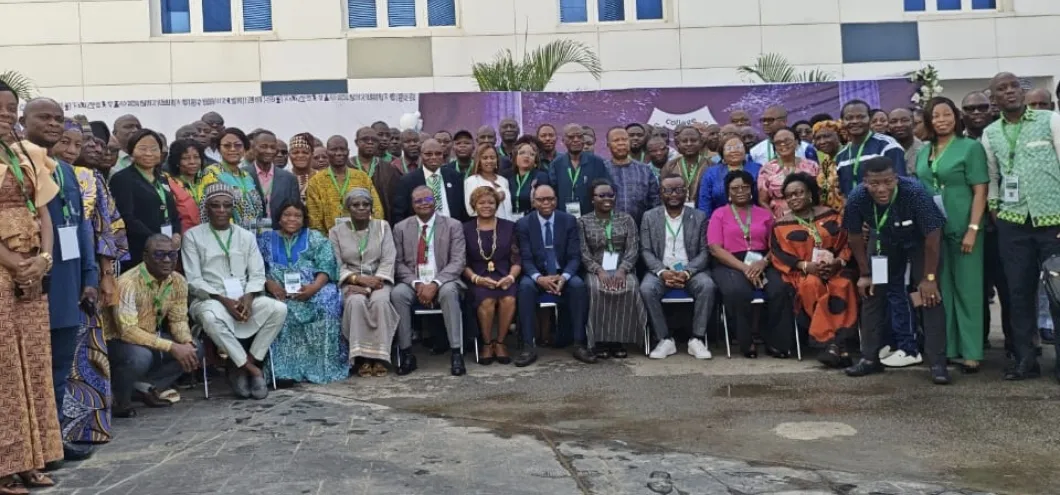
Regional health stakeholders are meeting in Abuja, Nigeria, from 26 to 28 October 2026 to review the regional work plan for strengthening health workforce motivation and retention across ECOWAS Member States. The three-day workshop is organised by the West African Health Organisation (WAHO), the specialised Institution of the Economic Community of West African States (ECOWAS) responsible for health issues.
The workshop brings together 150 participants from ministries of health, faculties of health sciences, West African professional colleges and partner organisations. It aims to identify practical strategies to reduce the loss of skilled health professionals and improve their distribution, particularly in underserved areas.
Officially opening the workshop, Dr John OVUORAYE, representing the Coordinating Minister for Health and Social Welfare, of the Federal Republic of Nigeria, Prof Ali PATE, called for stronger coordination among stakeholders to improve the training and retention of health professionals.
Professor Awa SECK, representing H.E. Bassirou Diomaye FAYE, President of the Republic of Senegal and Chair of the ECOWAS Authority of Heads of State and Government, welcomed WAHO’s initiative. She emphasised that retention also depends on professional recognition, career prospects and access to continuing professional development.
Professor Koffi A. BALOGOU, Chair of the Regional Council for Health Professionals’ Education, urged participants to ensure that their work delivers lasting results.
Speaking on behalf of the faculties of health sciences, Professor John MULBAH stressed the need to align training programmes with local needs, particularly in community and rural medicine, while Professor Joshua OWOEYE, representing the West African Colleges of Health Professionals, advocated practical policies to promote an equitable distribution of the health workforce.
WAHO Director General, Professor Palokinam T. PITCHE, represented by Professor Joseph OLORUNDA, highlighted the importance of training, mentorship and collective action. He called on participants to work together to achieve the workshop’s objectives.
Discussions will focus on remuneration, career prospects, continuing professional development and working conditions. Through group discussions and country presentations, participants will propose measures tailored to national contexts.


